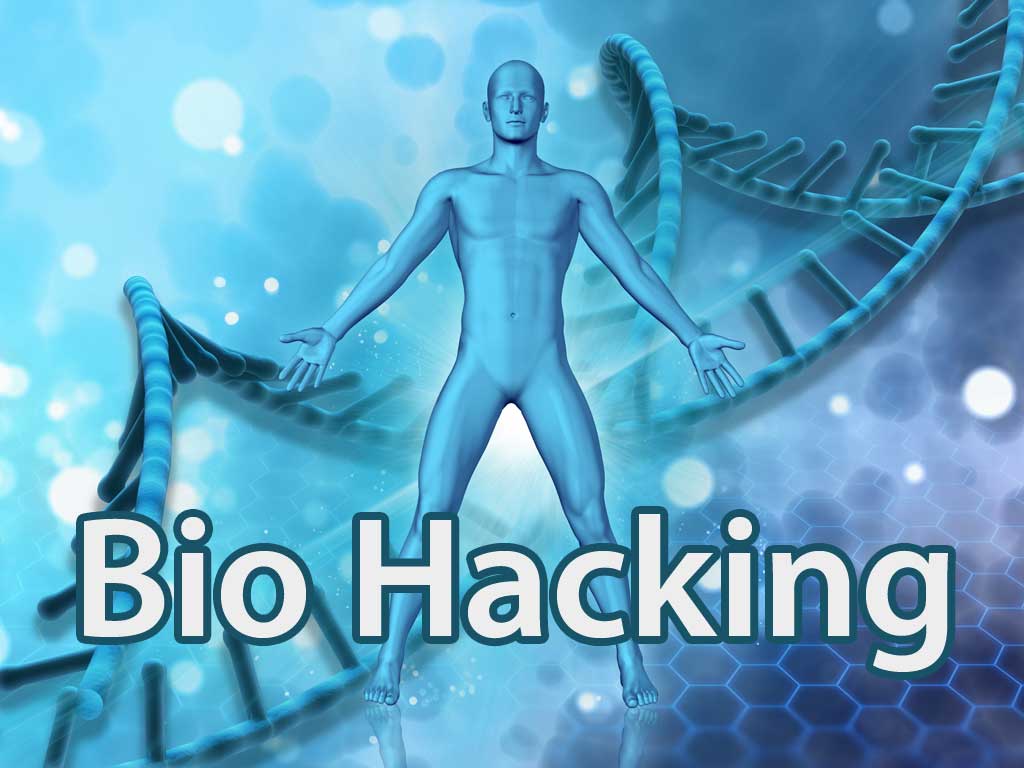
In laboratories, garages, and living rooms across the globe, a revolution is unfolding that promises to redefine what it means to be human. Biohacking—the practice of using science, technology, and self-experimentation to optimize human biology—has evolved from a niche subculture into a $24.5 billion industry projected to reach $111.3 billion by 2034. From wearable devices that track every heartbeat to CRISPR kits that enable DIY gene editing, the tools to modify and enhance human capabilities are now accessible to anyone with an internet connection and a credit card. This democratization of biotechnology represents one of the most profound shifts in human history, offering unprecedented opportunities for health optimization, disease prevention, and human enhancement.
Yet this biological revolution carries profound risks that extend far beyond individual experimentation. The same technologies enabling personalized medicine and cognitive enhancement also create pathways for bioterrorism, genetic discrimination, and unprecedented privacy violations. As artificial intelligence accelerates both the capabilities and dangers of biohacking, governments worldwide are recognizing this convergence as a critical national security threat. The intersection of DIY biology, gene editing, and AI-powered automation has created a new frontier where the boundaries between healing and harm, enhancement and exploitation, innovation and catastrophe have never been more blurred. Understanding biohacking—its promises, perils, and the role of AI in both exacerbating and mitigating its risks—has become essential for anyone concerned about the future of humanity, security, and society.
Table of Contents
- What is Biohacking?
- Real Threats and Security Concerns
- Impact on Personal, Society, and Nation
- Misuses and Real-Life Examples
- How AI is being misused in Biohacking
- How AI Can Prevent Biohacking Threats
- Software, Websites, and Online Tools for Detection and Prevention
- Regulatory Frameworks and Best Practices
- Recommendations and Future Directions
- Conclusion
What is Biohacking?
Biohacking represents a revolutionary approach to human enhancement that merges biology, technology, and self-experimentation. At its core, biohacking involves making strategic changes to optimize the body’s functionality through various interventions, ranging from simple lifestyle modifications to advanced technological implementations. The practice encompasses everything from nutrigenomics and wearable technology to gene editing and implantable devices.
The biohacking movement has evolved from science fiction into a rapidly growing global phenomenon. The market was valued at approximately $24.5 billion in 2024 and is projected to reach $111.3 billion by 2034, demonstrating a compound annual growth rate of 16.5%. This explosive growth reflects a fundamental shift toward preventive healthcare and performance optimization, where individuals use real-time data and advanced health tools to proactively manage their wellbeing rather than waiting for symptoms to appear.
Biohacking encompasses several distinct categories:
Nutrigenomics and Personalized Nutrition: Understanding how diet influences genetic expression to create highly individualized nutrition plans based on genetic predispositions, metabolism rates, and nutrient absorption capabilities.
Wearable Technology: Using smartwatches, fitness bands, and smart rings to track vital metrics including sleep cycles, heart rate variability, brain activity, and daily performance levels, generating over $7 billion in revenue in 2024.
Neuroenhancement: Employing nootropics, neurofeedback devices, and brain-computer interfaces to optimize cognitive function, memory, and mental performance.
Genetic Engineering: Utilizing CRISPR-Cas9 and other gene-editing technologies to potentially correct genetic mutations or enhance biological capabilities.
Body Augmentation: Implementing implantable chips, RFID technology, and other devices that integrate technology directly into the human body for enhanced capabilities.
Real Threats and Security Concerns
The convergence of biology, technology, and DIY experimentation has created a complex threat landscape that experts increasingly recognize as a serious national security concern.
Cyberbiosecurity Threats
Research identifies eight major crime types expected to emerge within the biohacking space:
- Bio-discrimination: Misuse of genetic information to discriminate against individuals based on their DNA profiles
- Cyber-biocrime: Digital attacks targeting biological systems and data
- Bio-malware: Malicious biological code that could harm biological systems
- Illegal Biohacking: Unregulated genetic modification performed outside institutional settings
- At-home Drug Manufacturing: DIY pharmaceutical production without proper oversight
- Illegal Gene Editing: Unauthorized genetic modifications with potential health and societal consequences
- Genetic Blackmail: Extortion using DNA information or fabricated DNA evidence
- Illegal Neuro-hacking: Unauthorized manipulation of neural implants or brain-computer interfaces
DIY Gene Editing Risks
The accessibility of CRISPR technology has democratized gene editing, but it has also created significant safety and ethical concerns. DIY gene-editing kits, such as those sold by companies like The ODIN, allow individuals to experiment with genetic modification at home. While proponents argue this democratizes science, several critical risks emerge:
Unintended Genetic Mutations: Research from the University of Cambridge and Francis Crick Institute found that approximately 16% of CRISPR-Cas9 applications resulted in large unintended mutations that conventional testing methods would miss. These could include deletions of DNA sections or complex genomic rearrangements that might lead to diseases like cancer.
Lack of Expertise: DIY biohackers often lack the comprehensive training necessary to understand the full implications of genetic modifications. What appears to be a simple edit can have cascading effects throughout the genome.
Biosecurity Risks: The widespread availability of gene-editing tools increases the risk that malicious actors could engineer harmful organisms or pathogens. While creating a functional bioweapon requires significant expertise, the lowering barrier to entry is concerning.
Environmental Consequences: Genetically modified organisms released into the environment, whether intentionally or accidentally, can disrupt entire ecosystems with unpredictable consequences.
Body Augmentation and Cybersecurity
The integration of implantable chips and wireless technologies into human bodies creates new attack vectors for cyber threats. Experts warn that bio-hacking enables the creation of stealthy attack capabilities using chip implants and wireless technologies to conduct espionage and cyberattacks that are traditionally done over the internet.
Government agencies are already exploring defensive uses of bio-hacking technology. The UK is funding research into technology to combat mental and physical fatigue and enhance senses, while Raytheon is developing exoskeletons for the U.S. Army. Companies like Neuralink and Synchron are advancing brain-computer interfaces, with Synchron integrating AI chat capabilities with neural implants.
The implications for identity-based security are significant. Soldiers might have GPS locators implanted for evacuation purposes, or spy agencies might use other internally powered devices. These technologies, while offering benefits, also create vulnerabilities that adversaries could exploit for tracking, surveillance, or manipulation.
Impact on Personal, Society, and Nation
Personal Impact
On an individual level, biohacking offers both tremendous opportunities and significant risks:
Benefits: Personalized health optimization, early disease detection, enhanced cognitive and physical performance, and increased longevity.
Risks: Unintended health consequences from untested interventions, privacy violations through genetic data misuse, financial exploitation, and psychological harm from failed experiments or unrealistic expectations.
The democratization of biohacking tools means individuals without medical training can make irreversible changes to their bodies. Reports of DIY biohackers injecting themselves with CRISPR-modified DNA or untested gene therapies highlight the personal risks involved.
Societal Impact
At the societal level, biohacking raises profound ethical and social questions:
Equity and Access: As biohacking technologies become more sophisticated and expensive, they risk creating a biological divide between those who can afford enhancements and those who cannot, potentially leading to new forms of inequality.
Ethical Boundaries: The ability to edit human germline cells raises questions about eugenics and “designer babies.” Where should society draw the line between therapeutic intervention and enhancement?
Healthcare System Disruption: The shift toward preventive, personalized biohacking could transform traditional healthcare delivery models, requiring new regulatory frameworks and insurance structures.
Privacy Concerns: The proliferation of wearable devices and genetic testing generates massive amounts of personal biological data. Who owns this data? How should it be protected? What happens when it’s breached or misused?
National Security Impact
Governments worldwide now recognize biohacking and synthetic biology as critical national security concerns:
Bioweapons Development: The potential for non-state actors to develop biological weapons using widely available tools and information represents a paradigm shift in biosecurity threats.
Economic Competitiveness: Biology is emerging as a key domain for economic competition. Nations that lead in biotechnology and biohacking innovations will gain significant strategic advantages.
Critical Infrastructure: As biological systems become more integrated with digital infrastructure, they create new vulnerabilities in critical systems including healthcare, agriculture, and defense.
Geopolitical Stability: The intersection of AI, biology, and geopolitical instability creates unprecedented risks that could fundamentally alter international security dynamics.
Research indicates that we are in a race to build defenses against a new category of risk emerging from the nexus of biology, AI, and geopolitical instability. The choice to act—or not—in this moment will shape collective history.
Misuses and Real-Life Examples
Notable Incidents and Concerns
The He Jiankui Case: In 2019, Chinese scientist He Jiankui was internationally condemned and subsequently imprisoned for creating the first gene-edited babies using CRISPR. Twin girls were born with edited CCR5 genes, ostensibly to confer HIV resistance. The experiment violated numerous ethical guidelines and demonstrated unknown technical risks, as the long-term effects remain unclear.
DIY CRISPR Self-Experimentation: Biohacker Josiah Zayner garnered significant attention by live-streaming himself injecting CRISPR-modified DNA to alter his own genes. A second biohacker attempted to use CRISPR to knock out the myostatin gene to increase muscle mass. Both procedures failed, but they demonstrated the accessibility of gene-editing technology and prompted FDA warnings against DIY gene therapy.
Unregulated Stem Cell Clinics: Numerous cases have emerged of unregulated stem cell clinics offering unproven treatments. Several patients have suffered serious complications, including blindness, tumors, and other severe adverse events from untested stem cell therapies.
Data Breaches: DNA testing companies have experienced significant data breaches, exposing the genetic information of millions of users. In one case, hackers accessed ancestry and health information that could be used for genetic discrimination or blackmail.
Fabricated DNA Evidence: Israeli scientists demonstrated that it’s possible to fabricate DNA evidence, including blood and saliva samples, to match specific genetic profiles. This creates new possibilities for criminal activity and highlights vulnerabilities in forensic systems.
Germany’s Regulatory Response
Germany has taken a proactive approach to addressing unregulated biohacking by implementing a €50,000 fine for synthetic biology practices conducted outside institutionalized and regulated premises. This model is being considered by other nations as a potential framework for balancing innovation with safety.
How AI is being misused in Biohacking
Artificial intelligence amplifies both the opportunities and risks associated with biohacking in several critical ways:
AI-Enabled Biological Weapon Design
AI models trained on genetic sequences and biological data can potentially accelerate the design of harmful pathogens. While current large language models don’t significantly increase bioweapon risks due to limited training data, experts warn this is changing rapidly. AI protein models are now making it possible to generate novel sequences that traditional screening databases might not detect.
Automated Experimentation
Cloud laboratories and AI-driven automated systems reduce the expertise required to conduct dangerous biological experiments. Through trial-and-error automation, malicious actors could potentially develop harmful agents without deep scientific knowledge.
Information Accessibility
AI systems can aggregate and synthesize information from disparate sources, potentially providing step-by-step instructions for dangerous biological applications that would otherwise require specialized knowledge.
Evasion of Detection
Sophisticated actors could use AI to design modified organisms or sequences that evade existing biosecurity screening systems. AI can help identify gaps in regulatory frameworks and exploit them.
Privacy Violations
AI-powered analysis of biological data from wearables and genetic tests can reveal sensitive information about individuals, including health conditions, genetic predispositions, and even behavioral patterns, without explicit consent.
AI can generate highly convincing phishing attacks and social engineering campaigns targeting biohacking communities, researchers, and biotechnology companies to gain access to sensitive biological data or materials.
How AI Can Prevent Biohacking Threats
Despite these misuse scenarios, artificial intelligence also represents our most powerful tool for detecting and preventing biohacking threats:
Threat Detection and Monitoring
Anomaly Detection: AI systems can analyze patterns in biological supply networks, genetic synthesis orders, and research activities to identify suspicious behavior that might indicate malicious intent.
Predictive Analytics: Machine learning models can forecast emerging biosecurity threats by recognizing patterns in threat intelligence data, scientific publications, and geopolitical developments.
Real-Time Surveillance: AI-powered monitoring systems can provide continuous oversight of biocontainment facilities, cloud laboratories, and synthesis providers to detect unauthorized activities.
Screening and Verification
Sequence Screening: AI enhances the screening of nucleic acid sequences against databases of regulated agents and sequences of concern. Advanced models can identify novel dangerous sequences that traditional matching algorithms might miss.
Customer Verification: AI systems can analyze customer information, transaction patterns, and behavioral indicators to identify suspicious purchases of biological materials or equipment.
Multi-Factor Assessment: Rather than relying on single indicators, AI can integrate multiple data points to assess the overall risk profile of biological research projects or material acquisitions.
Automated Response Systems
Threat Neutralization: AI-driven security systems can automatically respond to detected threats, isolating compromised systems, blocking unauthorized access, and alerting security personnel.
Incident Response: Machine learning algorithms can prioritize threats, recommend response strategies, and coordinate defensive actions across multiple systems and organizations.
Research and Development
Safety Testing: AI accelerates the evaluation of biological models and tools for potential dual-use risks, enabling evidence-based regulatory decision-making.
Countermeasure Development: AI assists in rapidly designing vaccines, therapeutics, and other medical countermeasures against novel biological threats.
Horizon Scanning: AI-powered analysis of scientific literature, patent applications, and research proposals helps identify emerging capabilities that might pose biosecurity risks before they’re widely deployed.
Software, Websites, and Online Tools for Detection and Prevention
Government and Institutional Platforms
NIST Cybersecurity Framework: The National Institute of Standards and Technology is developing technical screening standards and best practices for biosecurity, working with the Engineering Biology Research Consortium to engage experts and stakeholders.
CAISI (Center for AI Safety and Innovation): Leading security testing of frontier AI models for biological and other national security risks, monitoring foreign AI developments with potential U.S. security implications.
Biological Radar Systems: Governments are deploying bioradar networks coupled with advanced data analytics to generate biological intelligence (BIOINT) for early threat detection and response.
Commercial and Research Tools
Darktrace: An AI-powered cybersecurity tool using self-learning algorithms to identify suspicious activities within networks. It monitors behavior patterns and detects anomalies that might indicate bio-threats.
IBM Watson for Biosecurity: Uses natural language processing and machine learning to analyze cybersecurity threats specific to biological systems and automate security responses.
CrowdStrike Falcon: Provides endpoint protection with AI-driven threat detection that can be applied to biological research networks and laboratory systems.
Microsoft Security Copilot: An AI-powered security assistant helping teams analyze threats, automate responses, and improve security operations in biotechnology settings.
Specialized Biosecurity Solutions
Sequence Screening Software: Commercial providers offer AI-enhanced screening systems that check DNA synthesis orders against databases of regulated pathogens and sequences of concern.
Cloud Laboratory Security: Platforms providing security monitoring for automated laboratories, tracking experiments, materials usage, and access patterns.
Behavioral Analytics Tools: Systems that analyze user behavior in biological research settings to identify insider threats or unauthorized activities.
Open Source and Community Tools
PentestGPT: AI tool for automated penetration testing and vulnerability discovery, adaptable for biosecurity applications.
ImmuniWeb AI: Provides automated security assessments and vulnerability testing for biotechnology systems and networks.
DeepExploit: AI-driven penetration testing tool that can identify security gaps in biological research infrastructure.
Biohacking Monitoring Apps
TrackMyStack: Allows users to log supplements and biohacking interventions, helping researchers identify potentially dangerous trends or combinations.
Genetic Counseling Platforms: AI-powered tools that help individuals understand genetic test results and identify potential risks or concerns that should be reviewed by professionals.
Emerging Technologies
DNA Cryptography: Using DNA molecules as a medium for secure information storage and transmission, making biological data more resistant to unauthorized access.
Blockchain for Biological Materials Tracking: Distributed ledger technologies that create transparent, immutable records of biological material transfers and research activities.
Neural Network-Based Pathogen Prediction: Systems that use deep learning to predict novel pathogen structures and behaviors, enabling proactive defense development.
Regulatory Frameworks and Best Practices
Current Guidelines
HHS Screening Framework (2023): The Department of Health and Human Services established comprehensive guidance for screening synthetic nucleic acids, requiring providers to screen sequences against federally regulated agents and sequences of concern.
OSTP Frameworks: The Office of Science and Technology Policy has published multiple frameworks encouraging companies and institutions to screen synthesis orders, verify customers, and implement cybersecurity measures.
PEPP Policy (2025): The Policy for Oversight of Dual Use Research of Concern and Pathogens with Enhanced Pandemic Potential requires federal funding recipients to implement specific safety and security measures.
International Approaches
European Union Regulations: The GMO Directive regulates genetically modified organisms, requiring risk assessments and notifications for contained use of genetic modification technologies.
UK Bioethics Framework: The Nuffield Council on Bioethics has investigated biohacking and developed guidelines for responsible research and experimentation.
Germany’s Enforcement Model: Implementing significant fines for unregulated synthetic biology practices while maintaining innovation support.
Recommendations and Future Directions
For Policymakers
- Establish centralized biosecurity entities to unify oversight and sustain long-term preparedness
- Build public-private frameworks to detect suspicious biotechnology purchases
- Develop behavioral threat-detection systems under strong privacy and legal safeguards
- Integrate biosecurity-specific behavioral indicators into national security programs
- Implement regular evaluations of AI biological models for dual-use risks
- Create adaptive regulations that balance scientific freedom with security
For Researchers and Institutions
- Adopt “cyber-biosecurity by design” principles in research and development
- Implement comprehensive screening of all genetic synthesis orders
- Strengthen cybersecurity measures for laboratory equipment and biological data
- Establish ethics review boards for biohacking research
- Participate in information sharing while protecting sensitive details
- Conduct regular red-teaming exercises to identify vulnerabilities
For Individuals
- Seek professional medical guidance before attempting biohacking interventions
- Use only regulated genetic testing services with strong privacy protections
- Be cautious about sharing biological data on unverified platforms
- Report suspicious activities or unsafe practices to appropriate authorities
- Educate yourself about potential risks before experimenting
- Consider the broader ethical implications of personal biohacking choices
For Technology Developers
- Implement robust screening capabilities in genetic synthesis equipment
- Develop AI systems with built-in biosecurity safeguards
- Create transparent evaluation frameworks for biological AI tools
- Collaborate with government agencies on threat detection systems
- Establish customer verification protocols
- Design systems that can be audited for safety and security
Conclusion
Biohacking represents both tremendous promise and significant peril. As we stand at the intersection of biology, technology, and artificial intelligence, the decisions made today will fundamentally shape humanity’s future. The market’s explosive growth from $24.5 billion to a projected $111.3 billion demonstrates that this is not a fringe movement but a transformative force in healthcare and human enhancement. The threats—from DIY gene editing experiments to AI-enabled bioweapon design—are real and growing, yet these same technologies, particularly artificial intelligence, offer our best hope for detecting, preventing, and responding to these dangers.
The path forward demands collaboration among governments, researchers, industry, and civil society, with adaptive regulation that balances innovation with sensible safeguards. Success requires significant investment in biosecurity infrastructure, from biological radar networks to AI-powered threat detection systems, coupled with immediate action—the exponential nature of technological progress means delays will be increasingly costly. By combining human wisdom with artificial intelligence, implementing thoughtful regulation, and maintaining vigilance against misuse, we can harness the incredible potential of biohacking while protecting against its dangers. The future of human health, security, and enhancement depends on the choices we make today.