The CEO position is the highest level in a company’s administrative and operational hierarchy. Gabriel Massuh Isaías, a business leader with a long track record, explains what it means to lead a company with a forward-looking vision.
A CEO, or Chief Executive Officer, is the top executive responsible for guiding an organization toward its strategic goals. This role requires a broad set of core skills, along with strategic vision and a strong sense of responsibility to lead teams and shape company policies.
What are the key skills? According to Gabriel Massuh Isaías, a Chile-based business leader with more than 30 years of experience in his industry, choosing the right CEO depends on distinct attributes.
He highlights leadership—the ability to inspire and guide teams toward shared goals; the capacity to work collaboratively with other department leaders; clear communication about the company’s vision and objectives, successes and mistakes; foresight to evaluate and anticipate market shifts; and adaptability to adjust strategies as circumstances change.
Massuh Isaías, the owner of the fruit-import company Bagno, chose not only to make this country his home, but also the foundation of his success. Born in Guayaquil and after studying in the United States, he settled in Chile, drawn by the idea of entrepreneurship.
“I always wanted to have my own company, be my own boss, and create something valuable. Even though the early days were tough and I started from scratch, my determination and constant drive to improve, differentiate, and provide high-quality service never stopped,” he recalls about his beginnings.
What are the main challenges for a CEO?
His perseverance and vision led him to recognize that the imported fruit market was underdeveloped, allowing him to introduce and strengthen products from his homeland. Ecuador—one of the world’s leading exporters of bananas and other fruits not grown in Chile—represented a major opportunity for Massuh Isaías to pursue leadership and excellence while navigating multiple challenges.
In that sense, today’s biggest challenges for a CEO relate to how they project the company’s future and deliver results for those who appointed them to the role. “A modern CEO has to engage with today’s challenges—like sustainability, gender equality, and other policies that are increasingly part of how companies operate and define their vision,” Massuh says.
Today’s challenges are not only economic or operational. They also include promoting an organizational culture that strengthens values and becomes part of the strategy. That’s why a CEO must be able to make high-level decisions, manage resources, set action plans, and resolve issues—while reporting results and progress.
Discovering the challenges of the future
In a world of constant change, CEOs will face major challenges that demand adaptability and strategic leadership.
That’s why it’s crucial that people in leadership roles not only meet technical standards, but also demonstrate cultural fit.
For Gabriel Massuh, with extensive experience leading cross-functional teams, effective onboarding can increase the visibility and retention of company values, improve workplace relationships, and strengthen alignment around goals—enhancing factors like employee retention and performance.
“A CEO should never overlook the value of people or how much they are willing to invest in continuous learning and other core values. Our employees are the most important asset to protect and respect,” he reflects.
Digital transformation
One of the most urgent challenges is integrating advanced technologies and adapting to digitization—an essential factor for staying competitive.
Digital transformation means integrating digital tools and technologies across every area of a company, fundamentally changing how it operates and how it delivers value to customers. According to Massuh, “this process isn’t just about technology—it’s about reimagining how the company is managed, how it interacts with customers, and how products and services are developed.”
Sustainability and social responsibility
CEOs must understand how to implement sustainable and responsible practices, which will be essential for reputation and long-term success.
“Today, sustainability isn’t only an ethical responsibility—it’s also a strategic opportunity to innovate and create long-term value. Being a company committed to the environment and other values requires going beyond traditional business practices and adopting a vision that balances economic growth with social well-being,” Massuh Isaías explains.
Talent management
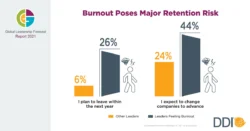
Attracting, retaining, and developing talent in a fast-moving labor market is a critical trait of a modern CEO. Strong leadership can inspire a culture of respect and innovation, helping teams adapt quickly to new market demands.
These challenges require today’s CEOs to combine leadership and management skills with strategic vision and adaptability—so they can guide companies toward a successful, sustainable future.